Surrogacy Laws in Nepal |
Is Surrogacy Legal?
Paternity & Legal Guide

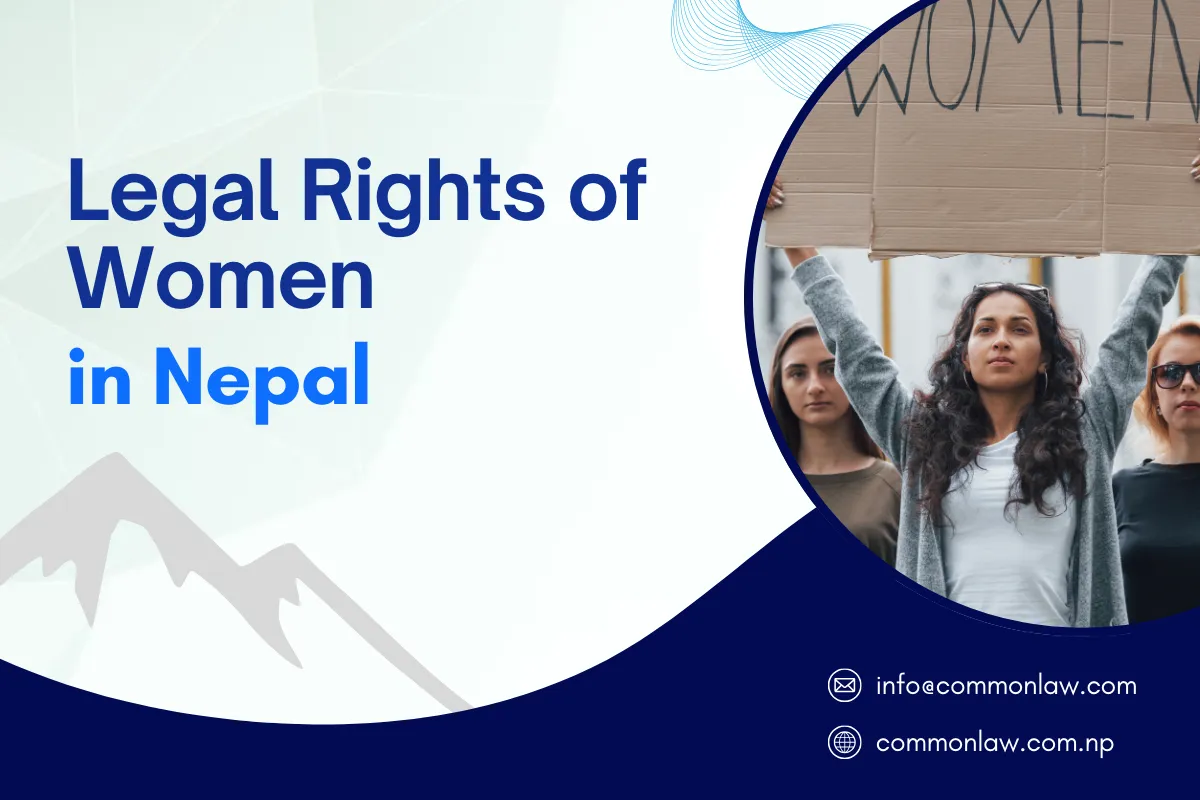
Nepal’s journey toward gender equality has been shaped by decades of activism, legal reform, and constitutional progress. While the country has made notable strides in recognizing and protecting the legal rights of women, challenges persist in implementation, awareness, and cultural transformation.
This article provides a deep dive into the women’s rights landscape in Nepal, covering constitutional guarantees, key laws, enforcement gaps, and the role of civil society in advancing gender justice.
The movement for women’s rights in Nepal gained momentum after the restoration of democracy in 1990. The abolition of the Sati system, the rise of women-led NGOs, and the ratification of international treaties like CEDAW (Convention on the Elimination of All Forms of Discrimination Against Women) laid the foundation for legal reform.
Key milestones include:
The Constitution of Nepal (2015) is one of the most progressive in South Asia regarding gender rights. It guarantees:
Article 18 – Right to Equality
Article 38 – Rights of Women
Article 42 – Right to Social Justice
Prioritizes affirmative action for marginalized women
Article 84 & 86 – Political Representation
Beyond the Constitution, Nepal has enacted several laws to protect and empower women.
1. Civil Code (2017)
2. Criminal Code (2017)
3. Gender Equality Act (2006)
4. Domestic Violence (Offense and Punishment) Act (2009)
5. Human Trafficking and Transportation (Control) Act (2007)
Nepal has seen tangible improvements in several areas:
Political Participation
Reproductive Health
Education & Employment
Property & Inheritance
Despite legal protections, many women face systemic barriers:
1. Patriarchal Norms
Deep-rooted cultural beliefs restrict women’s autonomy
Preference for sons in inheritance and education
2. Legal Awareness
Many women, especially in rural areas, are unaware of their rights
Limited access to legal aid and representation
3. Enforcement Gaps
Weak implementation of laws
Delays in justice delivery and lack of gender-sensitive policing
4. Gender-Based Violence
High rates of domestic violence, sexual harassment, and trafficking
Social stigma prevents reporting and prosecution
5. Economic Disparities
Women’s labor force participation remains low
Majority of employed women are in informal, low-wage sectors
Government Initiatives
Organizations like Women for Human Rights (WHR) and Nepal Youth Foundation provide education, legal aid, and empowerment programs
Grassroots campaigns promote awareness and challenge harmful norms
Disclaimer: This article is for informational purposes only and shall not be construed as legal advice, advertisement, personal communication, solicitation or inducement of any sort from the firm or any of its members. The firm shall not be liable for consequences arising out of any action undertaken by any person relying on the information provided herein.


-icon.webp)


-icon.webp)

